On the afternoon of November 24, 1971, a quiet man in a dark suit and skinny tie boarded Northwest Orient Flight 305 from Portland to Seattle. He ordered a bourbon and soda, lit a cigarette, and handed a flight attendant a note. When she slipped it into her pocket without reading it, he leaned in and murmured that she should look again — he had a bomb. Within hours he would vanish into a storm somewhere over the Pacific Northwest, taking $200,000 with him. More than fifty years later, the FBI has never identified him, and the central question still haunts investigators: was D.B. Cooper’s money ever found?
The Night a Suitcase Became a Bomb
The man had bought his ticket under the name Dan Cooper. A wire-service reporter later garbled it into D.B. Cooper, and the alias stuck forever. Seated near the rear of the Boeing 727, he opened a briefcase just enough for the flight attendant to glimpse a tangle of red cylinders and wires. His demands were specific and calm: $200,000 in twenty-dollar bills, four parachutes, and a fuel truck ready in Seattle.
The airline complied. When Flight 305 landed at Seattle-Tacoma, the 36 passengers were released in exchange for the cash and the parachutes. Cooper kept several crew members aboard and issued a new set of instructions: fly toward Mexico City, slow and low, with the landing gear down, flaps at 15 degrees, and the cabin unpressurized. He knew exactly how to configure the aircraft for what he planned to do next.
The Jump Into the Storm
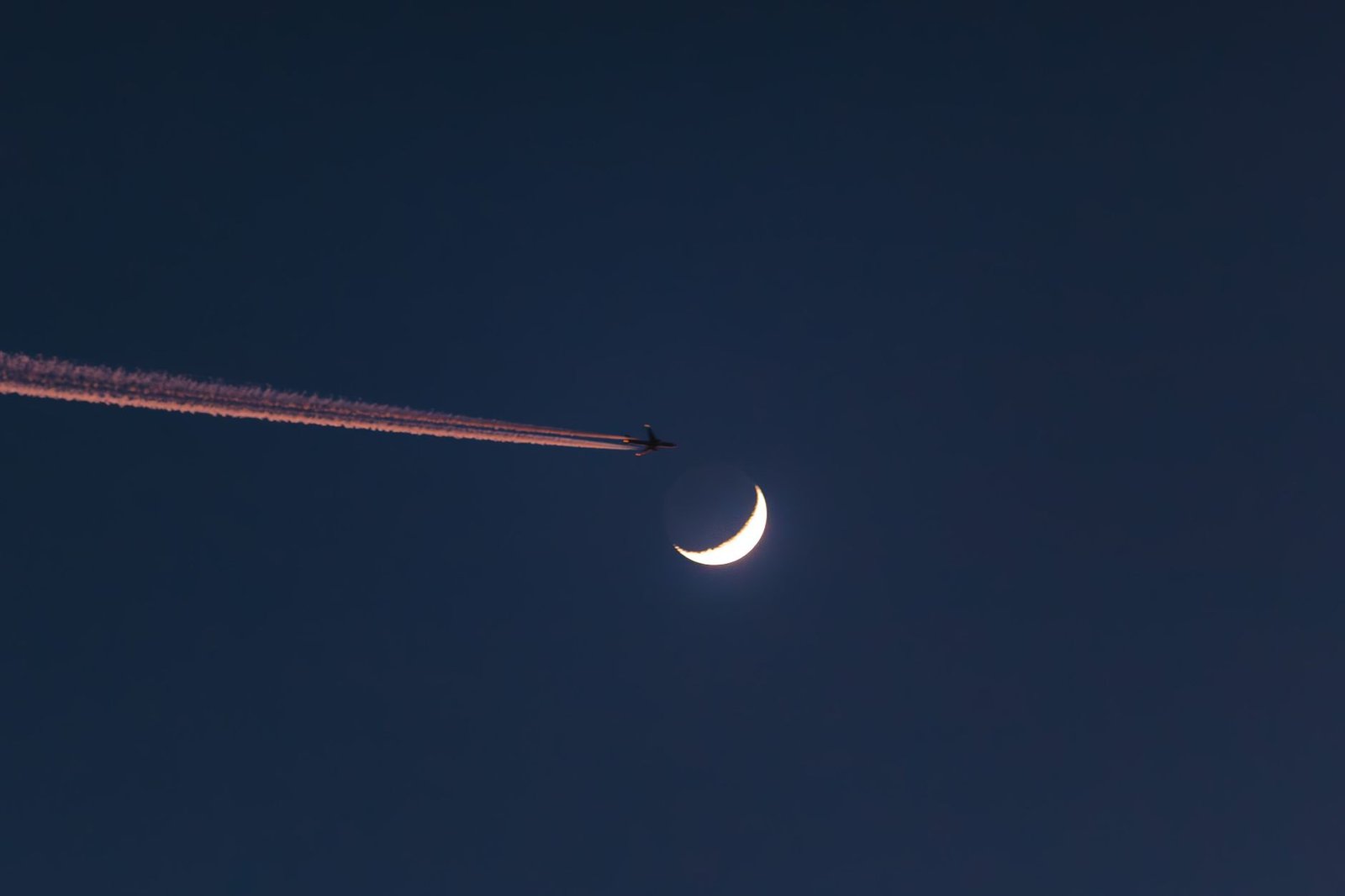
Somewhere over the dark forests of southwest Washington, between Seattle and Reno, Cooper lowered the 727’s rear airstair — a feature that would later be disabled on all such planes precisely because of this hijacking. At roughly 8:13 p.m., the crew felt a pressure change as the stairs dropped into the night.
Cooper stepped off the back of a jetliner into freezing rain and 200-mph wind, wearing a business suit and loafers, with twenty thousand twenty-dollar bills strapped to his body. The plane landed safely in Reno with the airstair still down and Cooper long gone. On the seat he left behind: a black clip-on tie, a mother-of-pearl tie clip, and eight cigarette butts. That tie would eventually yield DNA — but no match that ever closed the case.
Was D.B. Cooper’s Money Ever Found?
For nine years, the answer was a flat no. The FBI had recorded the serial numbers of every bill in the ransom and distributed the list to banks, casinos and businesses. Not a single note turned up in circulation. Then, in February 1980, an eight-year-old boy named Brian Ingram was building a campfire with his family on the banks of the Columbia River at Tena Bar, near Vancouver, Washington. Digging in the sand, he uncovered three bundles of decaying twenty-dollar bills.
The serial numbers matched. In all, $5,800 was recovered — just under 300 bills of the original 10,000. It remains the only portion of the ransom ever found. So the honest answer to whether D.B. Cooper’s money was ever recovered is: barely. The other roughly $194,200 has never surfaced, not in a bank, not in an estate, not in any casino cage in half a century.
What the Tena Bar Money Does — and Doesn’t — Tell Us
The discovery raised as many questions as it answered. The bills were found far from the FBI’s projected drop zone, and their condition puzzled scientists. The rubber bands holding the bundles were still intact, which suggested the money hadn’t been tumbling loose in a river for years. Geologists who later studied the sand and sediment layers disagreed sharply about how and when the cash arrived at Tena Bar.
Some researchers argue the money washed down from a tributary after Cooper’s bundle broke apart on impact. Others believe the dredging operations that deposited sand on that beach point to the bills arriving after 1974, which would contradict the idea that Cooper died on the jump. The find proved Cooper’s money was real and that at least some of it ended up in the Washington wilderness — but it never told anyone whether the hijacker lived or died.
The Suspects and the Case That Won’t Close
The FBI’s investigation, codenamed NORJAK, ran for 45 years and examined more than a thousand suspects before the bureau officially suspended the active case in 2016. Over the decades, amateur sleuths and retired agents have floated name after name. A Vietnam veteran who died in 2014 was promoted by one researcher after a relative claimed a deathbed-style confession. Others have pointed to a Boeing employee, a parachutist who vanished, even a transgender suspect whose supporters cite Cooper’s apparent knowledge of aircraft.
None has ever been confirmed. The clip-on tie produced a partial DNA profile, but it was incomplete and may not even belong to Cooper. Fingerprints lifted from the cabin were never matched. Like other enduring enigmas — from the uncracked code of the Somerton Man to the unidentified victim in the case of the Isdal Woman — the Cooper file has a tantalizing surplus of physical evidence and a complete absence of a name.
Why the Legend Refuses to Land
What keeps D.B. Cooper alive in the public imagination isn’t just the daring of the jump. It’s the possibility that one quiet man beat the system completely — that he parachuted into a storm, survived, spent a few of the bills, buried or lost the rest, and simply walked back into ordinary life. He remains the only hijacker in US history never caught or identified, and his case single-handedly reshaped airline security.
Did he die on impact in the Washington forest? Did he live for decades under his real name? Why did only $5,800 ever appear, and why there? These are the threads we pull apart on the Dark CasesTV YouTube channel, where we walk the full timeline, map the flight path, and weigh the suspects against the evidence. If this cold case grabs you, watch our complete deep-dive investigation into the man who jumped into the dark — and subscribe for the mysteries that still have no ending.
Enjoyed this? More videos on the Dark CasesTV YouTube channel.